The Venue · History
Ramnagar Fort
A royal 18th-century fort on the eastern bank of the Ganges — ancestral home of the Kashi Naresh, stage of the legendary Ramnagar Ramlila, and, for the first time, the venue for Akashganga's Dev Deepawali.
Ramnagar Fort stands on the eastern bank of the Ganges, directly opposite the ghats of Varanasi and facing Tulsi Ghat. Built around 1750 by Kashi Naresh Maharaja Balwant Singh in cream-coloured Chunar sandstone, it is a fine example of Mughal-style fort architecture — carved balconies, open courtyards and airy pavilions rising above the river. For nearly three centuries it has been the residence of the royal family of Benares.
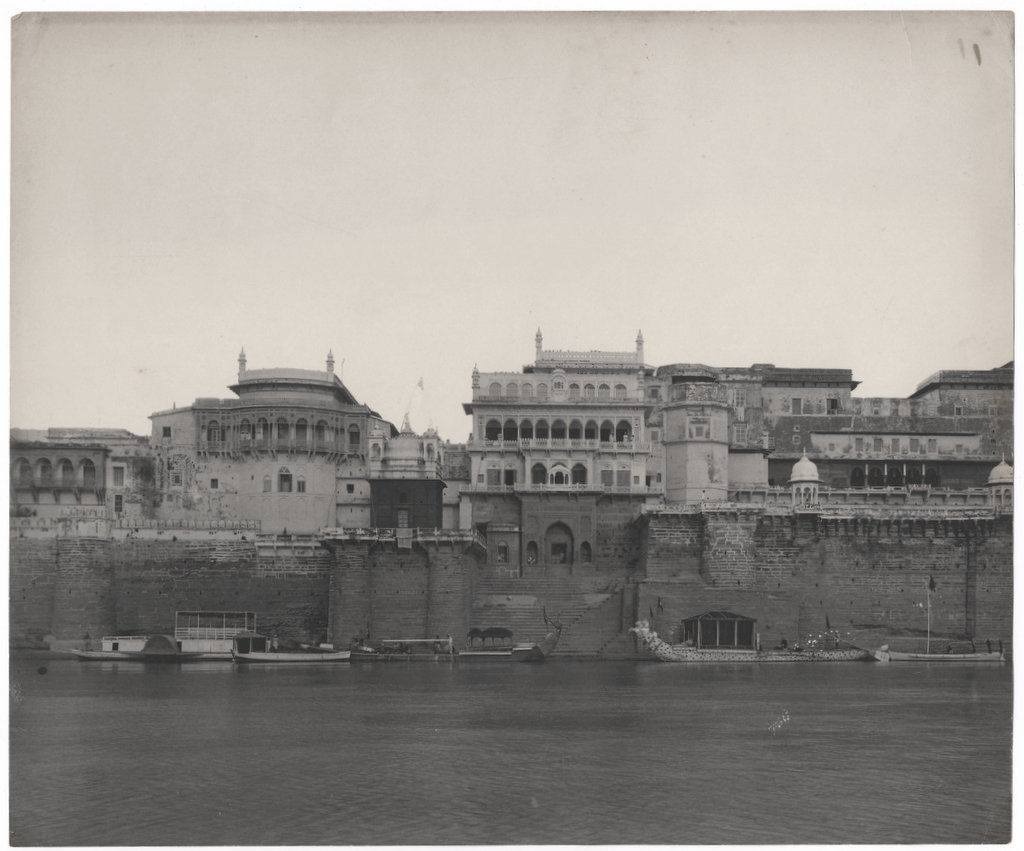
A Fort on the River
The fort was raised as both palace and bastion during an age of shifting power, as Mughal authority waned and the Rajas of Benares consolidated their estate. Its riverfront setting — with a private ghat opening directly onto the Ganges — is exactly what makes it a rare place where royal heritage and the sacred river meet.
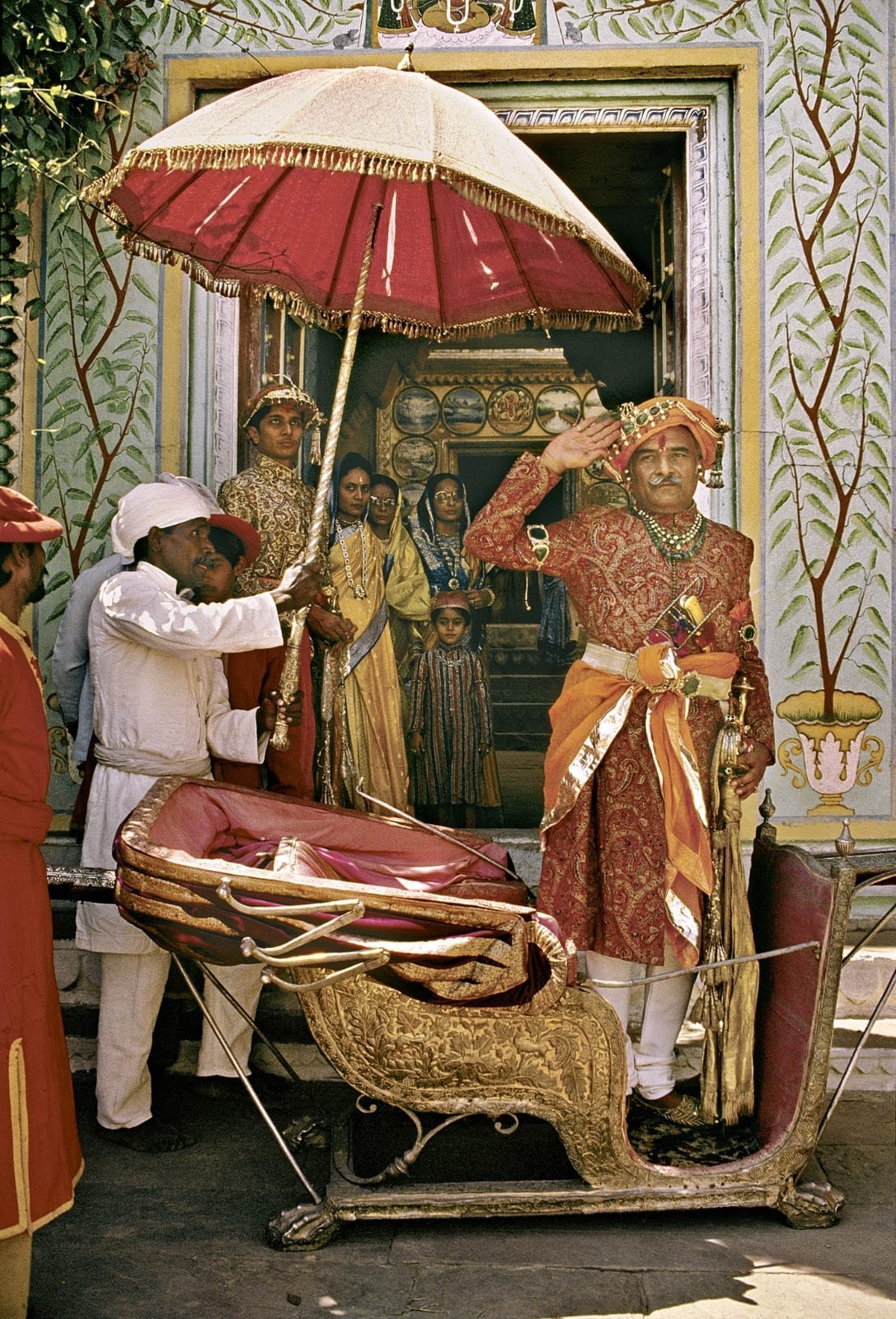
Unlike a restored ruin, Ramnagar Fort remains a living royal household. Its temples, courtyards and halls — including the famed Saraswati Bhawan museum, with its vintage cars, lotus-shaped palanquins and a century-old astronomical clock — still carry the rhythm of a living court.
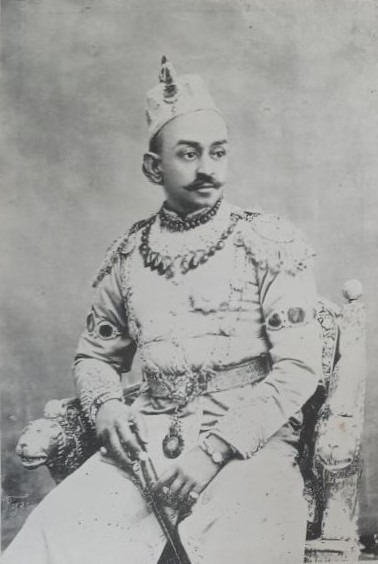
The Golden Era of the Banaras Estate
The estate reached its zenith under Maharaja Sir Prabhu Narain Singh (reigned 1889–1931). In 1911 he became the first Maharaja of the newly re-created princely State of Benares — restoring the royal house to full princely rank.
A scholar of Sanskrit, Persian and English, his legacy still shapes Kashi: he donated 1,300 acres of land for the Banaras Hindu University, and founded the Ishwari Memorial Hospital to reduce mother-and-child mortality. His reign is remembered as the golden age of the Banaras Estate.
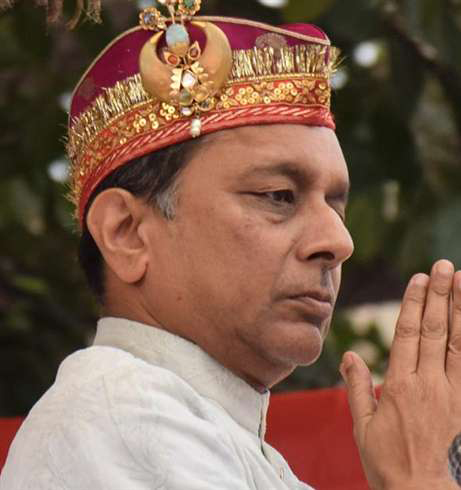
The Living Royal House
The line continued through Maharaja Vibhuti Narain Singh — a revered scholar of the Vedas and Puranas and the last reigning king before the privy purses were abolished. Today the fort is home to HH Dr. Anant Narain Singh, the present Maharaja of Benares and head of the dynasty.
To the people of Kashi, the Kashi Nareshremains the first devotee of Lord Vishwanath and the ceremonial heart of the city's great festivals — a living tradition rather than a relic.
A Living Tradition, Passed Down
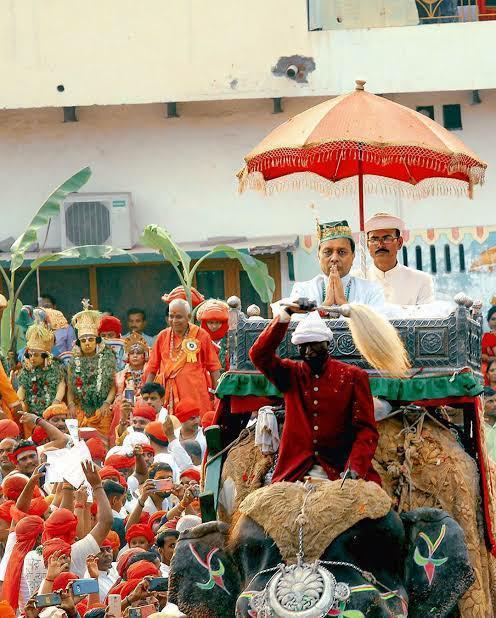
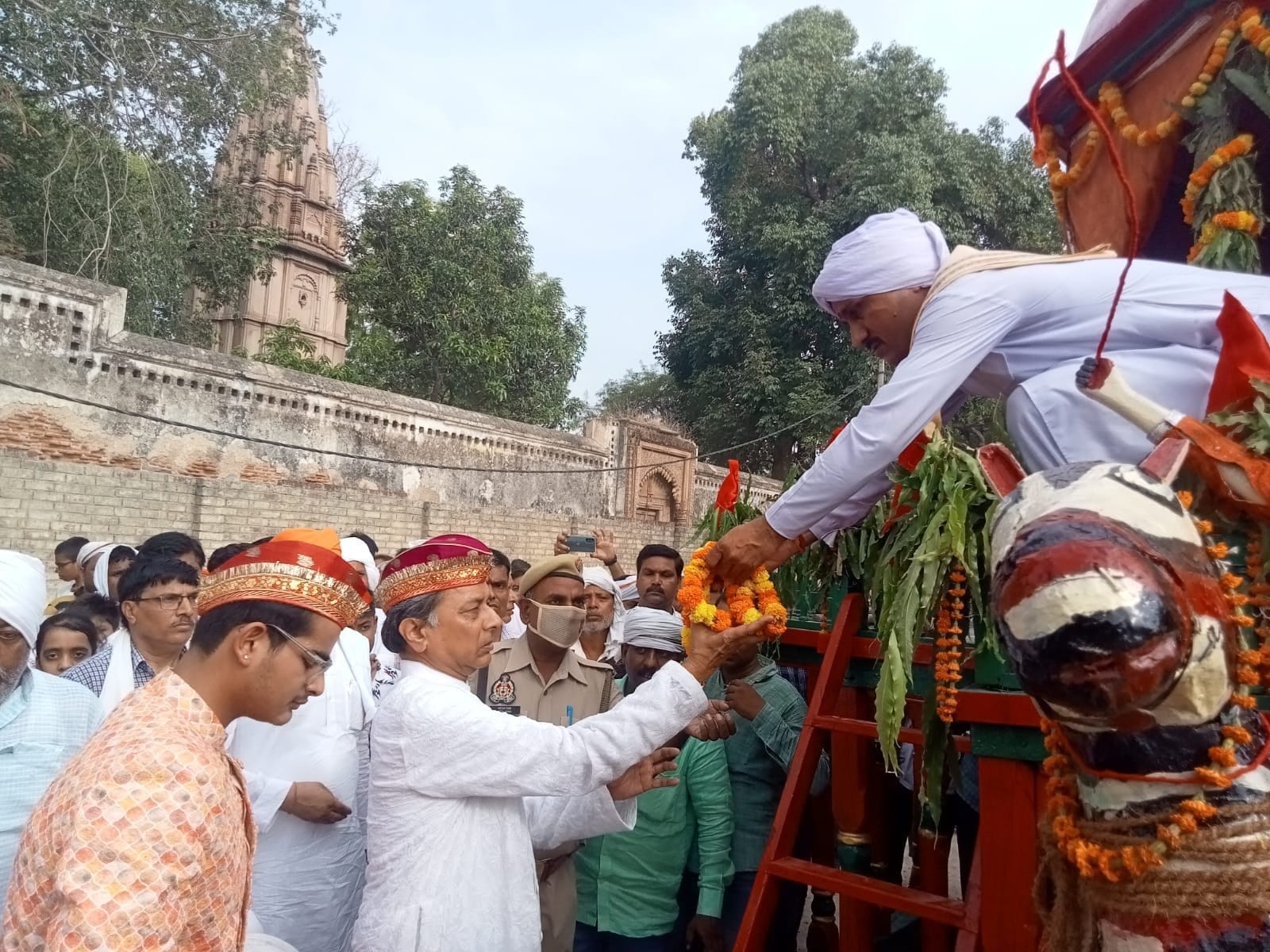
What makes Ramnagar rare is not merely that its traditions survive, but that they are lived — carried, unchanged, from one generation to the next. At the Nati Imli Bharat Milap of Varanasi, the Kashi Naresh appears on a caparisoned elephant exactly as his forefathers did. Maharaja Vibhuti Narain Singh upheld the rite for decades; today HH Dr. Anant Narain Singh continues it precisely as it was handed to him — and is already teaching his own son to carry it forward.
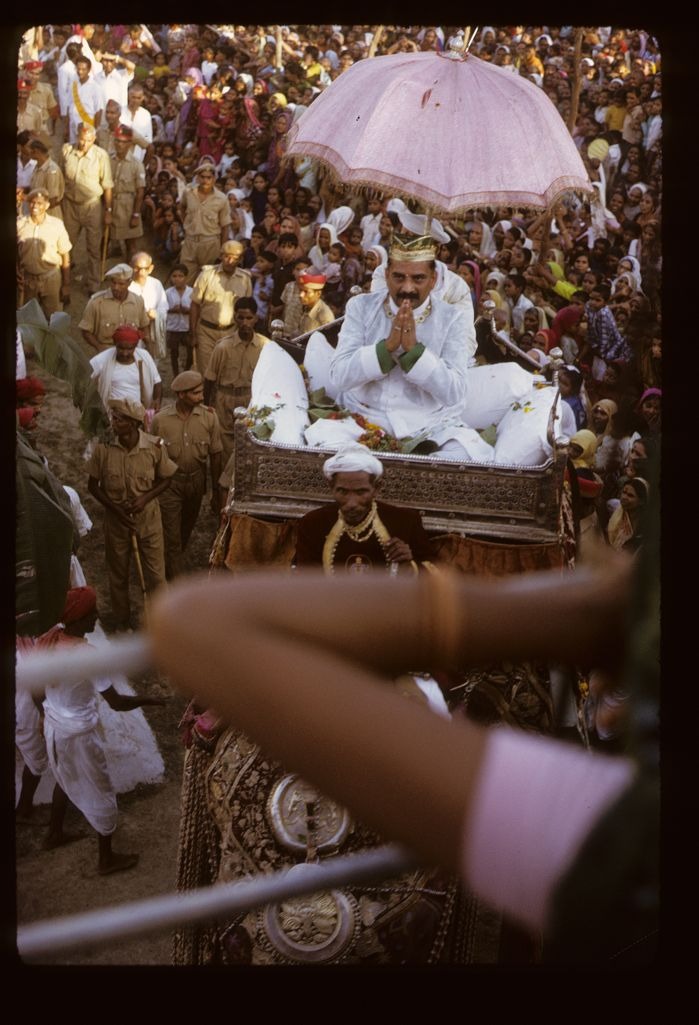
The Ramnagar Ramlila
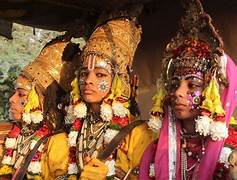
Ramnagar is world-famous for its Ramlila — a dramatic re-enactment of the Ramayana begun around 1830 by Maharaja Udit Narain Singh and nurtured by the Maharajas who followed. Where most Ramlilas run ten days, the Ramnagar Ramlila lasts a full 31 days, and is a pioneering example of environmental theatre: the entire town becomes the stage, its play moving across some twenty locales while the Kashi Naresh attends on elephant-back. UNESCO proclaimed Ramlila a Masterpiece of the Oral and Intangible Heritage of Humanity in 2005 and inscribed it on its Representative List in 2008, naming Ramnagar among its most representative performances. Its beloved swaroops — young boys chosen to embody Ram, Sita and Lakshman — are revered by the audience as living deities for the length of the epic.
Where History Opens Its Gates
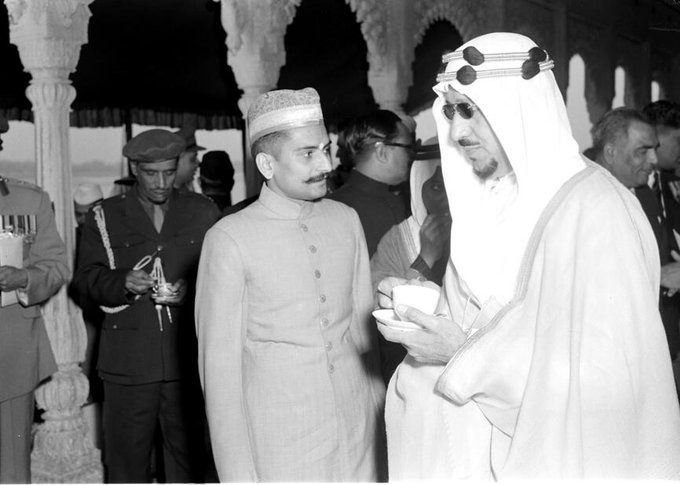
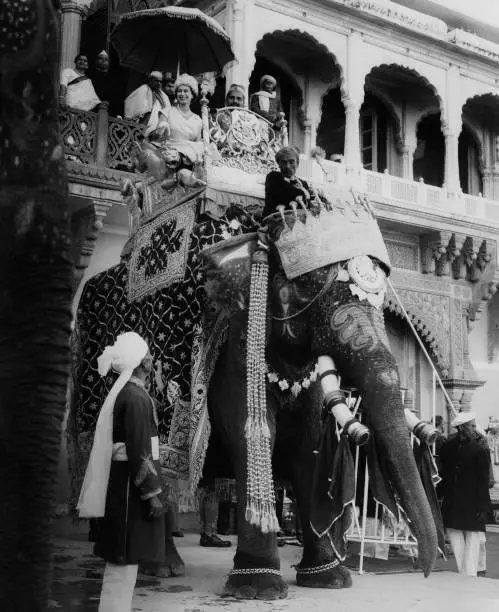
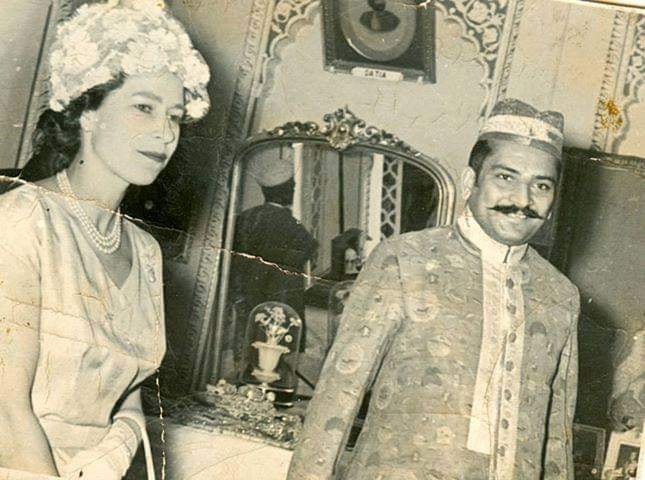
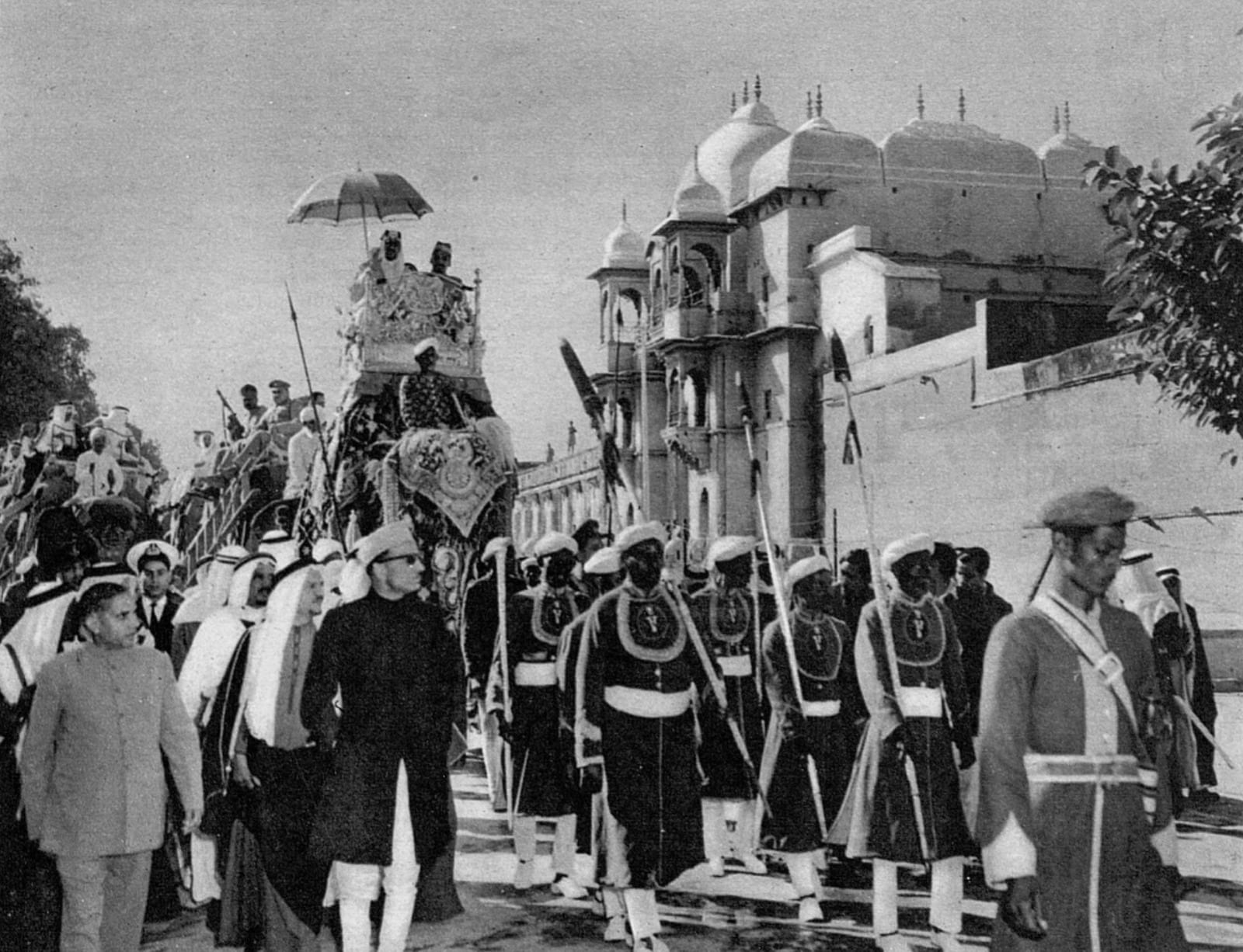
These gates have received the world. In 1961, Queen Elizabeth II was welcomed at Ramnagar Fort as the guest of the Maharaja of Benares — carried in a royal elephant procession through its very gates. Heads of state, dignitaries and royalty have been received within these walls across generations.
For Akashganga 2026, something happens here for the very first time: royalty, culture, tradition and celebration come together as one. The fort that once opened its gates to a queen now opens them to our guests — an honour never before extended for an event of this kind.
Why It Hosts Akashganga
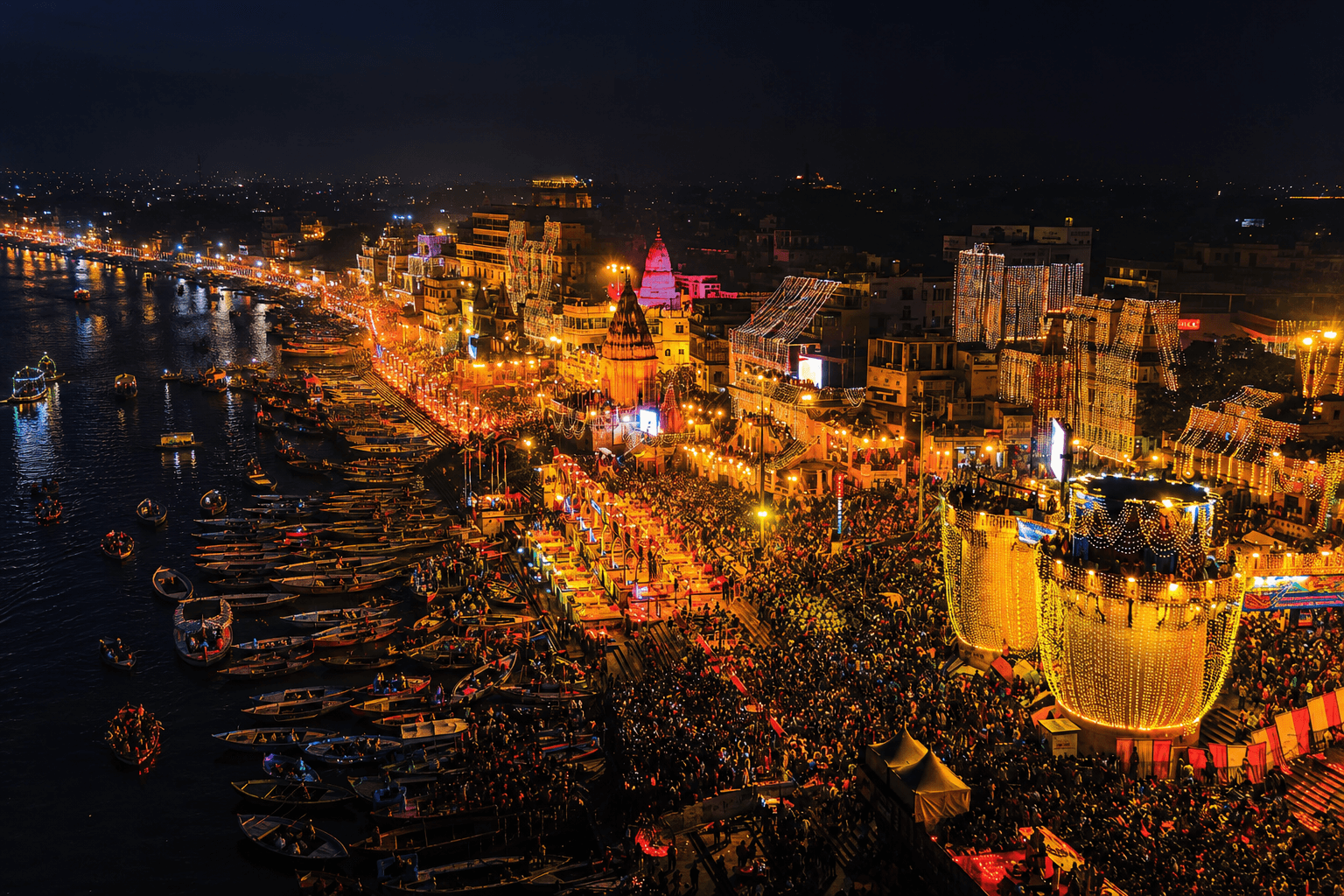
Beginning the Dev Deepawali evening here is a reminder that the celebration is not staged for an audience — it is rooted in centuries of ritual on this very riverbank. From the fort's private ghat, guests board the cruise away from the crowds, carrying the history of Kashi with them onto the water.
Experience Dev Deepawali at Ramnagar Fort
24th November 2026 · Kartik Purnima · Varanasi