Every autumn, a town across the river from Varanasi stops being a town. For thirty-one evenings its lanes, tanks and open grounds become Ayodhya, Janakpur, Panchavati and Lanka, and thousands of people walk with the story from one to the next. This is the Ramnagar Ramlila — one of the longest and oldest continuously staged performances of the Ramayana anywhere, and in 2026 it begins on Friday, 25 September.
This guide covers the 2026 dates, the order in which the story unfolds, what makes Ramnagar's Ramlila unlike any other, and how to watch it.
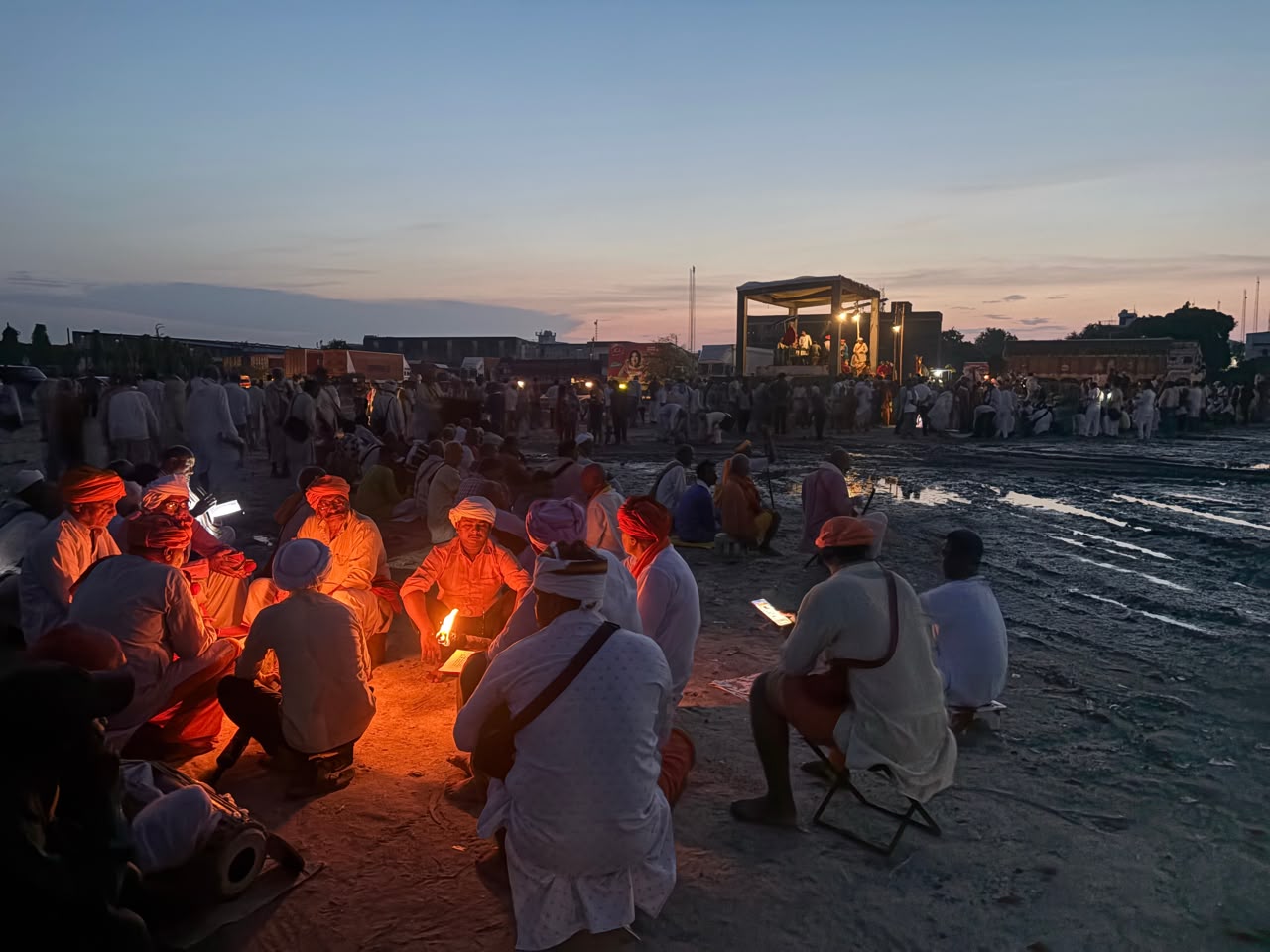
What is the Ramnagar Ramlila?
Ramlila means "Rama's play" — the life of Lord Ram told through song, recitation, narration and dialogue. Across northern India it is staged around Dussehra, usually over ten or twelve days.
Ramnagar does it differently. Its Ramlila runs for a full month of evenings, follows the text of Goswami Tulsidas's Ramcharitmanas, and is staged not in one place but across the town itself. Permanent sites around Ramnagar are named for the places of the epic, so the audience does not watch Ram go into exile — it walks out of Ayodhya with him.
Recognised by UNESCO
In 2005 UNESCO proclaimed Ramlila a Masterpiece of the Oral and Intangible Heritage of Humanity, and in 2008 inscribed Ramlila, the traditional performance of the Ramayana on its Representative List of the Intangible Cultural Heritage of Humanity.
UNESCO's listing names Ramnagar among the most representative Ramlilas in India, and singles it out as one that may last an entire month, where most run for ten to twelve days.
A tradition begun by the Kashi Naresh
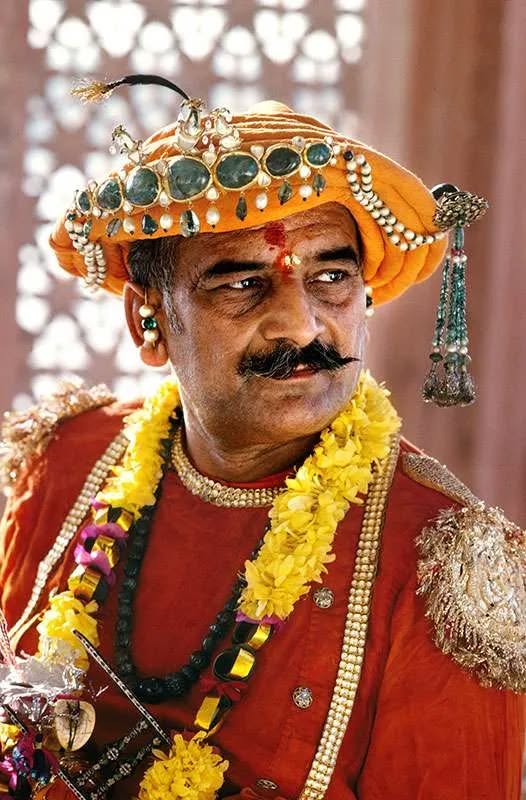
The Ramnagar Ramlila was begun around 1830 by Maharaja Udit Narain Singh, and has been sustained by the Maharajas of Benares — the Kashi Naresh — ever since, from Ramnagar Fort.
The royal family's part is not ceremonial decoration. The Kashi Naresh traditionally attends on elephant-back, and the royal household has long provided for the costumes, the jewellery and the running of the Lila. For many in the audience, the evening begins when the Maharaja arrives.
What makes it unlike any other Ramlila
- Thirty-one evenings. The whole of the story is told, not only its most famous scenes.
- The town is the stage. Episodes are performed at sites across Ramnagar named after the places of the epic — among them Ayodhya, Janakpur, Panchavati, Ashok Vatika and Lanka — and the audience moves with the play.
- No microphones and no electric light. The Lila keeps to lamps, torches and unamplified voices, as it always has. Thousands of people fall quiet to hear it.
- The swaroops. Ram, his brothers and Sita are played by young boys, chosen each year. For the length of the Lila they are treated not as actors but as living forms of the deities they embody.
- The Ramayanis and the Nemis. Sadhus and devotees recite the Ramcharitmanas aloud as the scenes unfold, and many regulars — the nemis — attend every single evening, text in hand.
Ramnagar Ramlila 2026: dates and timetable
The Lila follows the Hindu lunar calendar, beginning on Anant Chaturdashi. These are the fixed points for 2026.
| Date | What happens |
|---|---|
| Fri, 25 September 2026 | Day 1 — the Lila begins on Anant Chaturdashi with the birth of Ravan, his conquests, the tableau of Kshir Sagar, and Lord Vishnu's promise to the gods that he will take birth to end Ravan's tyranny. |
| Sun, 11 October 2026 | Sharad Navratri begins, and the Lila moves into the heart of the epic. |
| Tue, 20 October 2026 | Dussehra (Vijayadashami) — the slaying of Ravan. |
| After Dussehra | Bharat Milap, Ram's return and coronation (Rajyabhishek), and the farewell rites. |
| Around Sun, 25 October 2026 | The Lila closes, around Sharad Purnima — thirty-one evenings after it began. |
Individual episode dates move with the lunar calendar and are announced locally each year. Check them in Ramnagar before planning a visit around one particular scene.
The order of the story
Across the month, the Lila follows the Ramcharitmanas in order:
- Bal Kand — the birth of Ravan and of Ram; Vishwamitra, the slaying of Tadka and the deliverance of Ahalya.
- Janakpur — the breaking of Shiva's bow, and the wedding of Ram and Sita.
- Ayodhya Kand — Kaikeyi's boons, the exile, Kevat the boatman, Chitrakoot, the death of King Dasharath, and Bharat's journey to bring Ram home.
- Aranya Kand — Panchavati, Surpanakha, the abduction of Sita, Jatayu and Shabri.
- Kishkindha Kand — Hanuman meets Ram, the fall of Bali, and the search for Sita.
- Sundar Kand — Hanuman crosses to Lanka, finds Sita in Ashok Vatika and sets Lanka alight.
- Lanka Kand — the bridge to Lanka, Angad's embassy, the great war, and on Dussehra, the death of Ravan.
- The return — Bharat Milap, Ram's coronation, and the farewell that closes the Lila.
How to watch the Ramnagar Ramlila
- It is held in the evening, from late afternoon into the night. Arrive before dusk to find a place.
- Follow the crowd. The Lila moves between sites, and so does its audience — wear comfortable shoes and expect to walk.
- Keep it dark. Flash photography and phone torches break the one thing Ramnagar has protected for nearly two centuries. Watch first, photograph sparingly.
- Dress and behave as you would in a temple. For the audience this is devotion, not entertainment, and the swaroops are revered as deities.
- Go on a weekday if you can. The major days — Dussehra and Bharat Milap above all — draw enormous crowds.
How to reach Ramnagar
Ramnagar sits on the eastern bank of the Ganges, facing the southern ghats of Varanasi, roughly 14 km from the city centre. It is reached by road across the river; allow plenty of time in the evenings of the Lila, when traffic toward Ramnagar is heavy. Most of the Lila's sites are within walking distance of Ramnagar Fort, the seat of the Kashi Naresh.
From the Ramlila to Dev Deepawali
A month after the Ramlila ends, the same fort opens its gates again. On Tuesday, 24 November 2026, Akashganga brings Dev Deepawali to Ramnagar Fort — a full day at the fort and its museum, craft workshops, classical music and Kathak, and a four-hour cruise on the Ganges as the ghats light up with lamps.
If the Ramlila is Ramnagar's month of devotion, Kartik Purnima is its night of light. See the Akashganga 2026 experience.
Frequently asked questions
When does the Ramnagar Ramlila start in 2026?
It begins on Anant Chaturdashi, Friday 25 September 2026, and runs for thirty-one evenings, closing around Sharad Purnima on 25 October 2026.
Is the Ramnagar Ramlila recognised by UNESCO?
Yes. UNESCO proclaimed Ramlila a Masterpiece of the Oral and Intangible Heritage of Humanity in 2005 and inscribed it on the Representative List of the Intangible Cultural Heritage of Humanity in 2008, naming Ramnagar among its most representative performances.
How long is the Ramnagar Ramlila?
Thirty-one days. Most Ramlilas last ten to twelve days; Ramnagar's tells the whole of the Ramcharitmanas over a month of evenings.
When is Ravan Vadh at Ramnagar in 2026?
On Dussehra, Tuesday 20 October 2026.
Who started the Ramnagar Ramlila?
Maharaja Udit Narain Singh of Benares, around 1830. The Kashi Naresh, the Maharajas of Benares, have sustained it since.
Is there a ticket to watch the Ramnagar Ramlila?
The Ramlila is watched by the public in the open, across the town, as it has been for generations. Arrive early for the major days.
How far is Ramnagar from Varanasi?
About 14 km from the centre of Varanasi, on the opposite bank of the Ganges, reached by road across the river.